
Mailbox Installation & Replacement in
Downingtown, PA
Small Business,
Solid Reputation
Looking for professional mailbox installation in Downingtown, PA? Brad's Mailboxes serves this historic borough in Chester County with expert craftsmanship and attention to detail. Downingtown is a vibrant community with over 7,800 residents, located about 33 miles west of Philadelphia along the Lincoln Highway. Originally settled in 1716 as Milltown due to its important mills along the East Branch Brandywine Creek, the borough has a rich industrial and cultural heritage. Today Downingtown blends historic preservation with modern revitalization, home to craft breweries, unique dining, and ongoing downtown development. Whether you need mailbox installation for a historic property or contemporary home, Brad's Mailboxes delivers professional service. Whether searching for "mailbox installers near me" or needing mailbox replacement, we understand what Downingtown residents expect: quality craftsmanship that respects the community's heritage.
Call Brad's Mailboxes today for expert mailbox installation in Downingtown.
Downingtown reflects centuries of Pennsylvania history, from colonial settlement through industrial development to contemporary revitalization. The borough's origins trace to 1716 when European colonists established the community midway between Philadelphia and Lancaster. Originally known as Milltown, the settlement's identity centered on the East Branch Brandywine Creek and the mills that powered the colonial economy.
Thomas Moore erected a water corn mill in 1716, establishing the foundation of Milltown's industrial character. Roger Hunt established a gristmill in 1739. The deteriorated structure of the Roger Hunt mill and millrace still survives in Downingtown today and was placed on the National Register of Historic Places in 1979. These mills represented essential infrastructure for grain processing and agricultural support in the colonial period.
The Downingtown Log House, built around 1700 by early English settlers, stands as a physical reminder of colonial construction and life. The 1.5-story structure measured 21 feet 9 inches by 25 feet. In 1713, Joseph Hickman sold the Log House to Thomas and Mary Moore. Thomas Downing acquired the property in 1739, and it remained in the Downing family until 1940. The house fell into deterioration due to Route 30 construction proximity, with road damage and traffic vibrations weakening the structure. From 1988 through 1990, the Downingtown Historical Society relocated the house and conducted extensive restoration. It now sits approximately 70 feet west of its original location, 22 feet from the Route 30 sidewalk, and slightly above street level.
In 1761, John Downing opened a tavern on the east side of the Brandywine Creek, originally known as the Downing Mill Inn. His father Thomas developed an industrial complex of mills on Lancaster Road in Milltown. Around the time of the American Revolution, Milltown became known as Downing's Town, eventually officially named Downingtown in 1812. During the American Revolution, the town served as a location for storage of food supplies, with a forage magazine constructed to hold provisions for Continental Army troops.
The borough was officially incorporated on May 12, 1859. Throughout the 19th century, Downingtown remained an industrial center with paper mills and other manufacturing. Frederick Bicking helped establish significant paper businesses. The Downingtown Industrial and Agricultural School was founded in 1904 by John S. Trower and William A. Creditt, prominent Black Philadelphians. Built on a 100-acre campus, the school served as an academic and vocational high school for African-American youths, modeled after Tuskegee Institute and providing educational opportunity when such schools were rare.
The Lincoln Highway, originally known as the Philadelphia and Lancaster Turnpike, established Downingtown as a major transportation route. Now part of U.S. Route 30, the Lincoln Highway was the first paved road to cross the nation from Atlantic to Pacific Ocean. The Pennsylvania Turnpike, constructed in the early 1940s and completed in the early 1950s, runs north of U.S. 30, bypassing Downingtown.
Downingtown holds cultural significance beyond local history. President Abraham Lincoln's funeral train passed through the borough following the assassination. The famous Irish patriot and martyr Theobald Wolfe Tone briefly lived here in 1795. The 1958 movie "The Blob" was filmed in and around Downingtown, with the original diner featured in the film earning the borough lasting cinematic attention.
In 1988, Auntie Anne's, the global pretzel shop chain, was founded in a stall in Downingtown's farmer's market. This enterprise grew from humble beginnings to become a worldwide brand, demonstrating entrepreneurial spirit and community economic vitality.
Today the borough is experiencing significant revitalization. The River Station project, a transit-oriented development by The Hankin Group, is currently under construction on the site of the former Sonoco Paper Mill. River Station will provide opportunities for new commercial businesses, restaurants, and residential living with easy access to transit and pedestrian trails. This redevelopment honors the site's industrial heritage while creating contemporary mixed-use community spaces.
Victory Brewing Company, a widely-distributed craft brewery, is located and headquartered in Downingtown. Founded in 1996 in a vacated Pepperidge Farm factory on Acorn Lane, Victory Brewing represents the craft beverage industry's growth and Downingtown's appeal to creative enterprises.
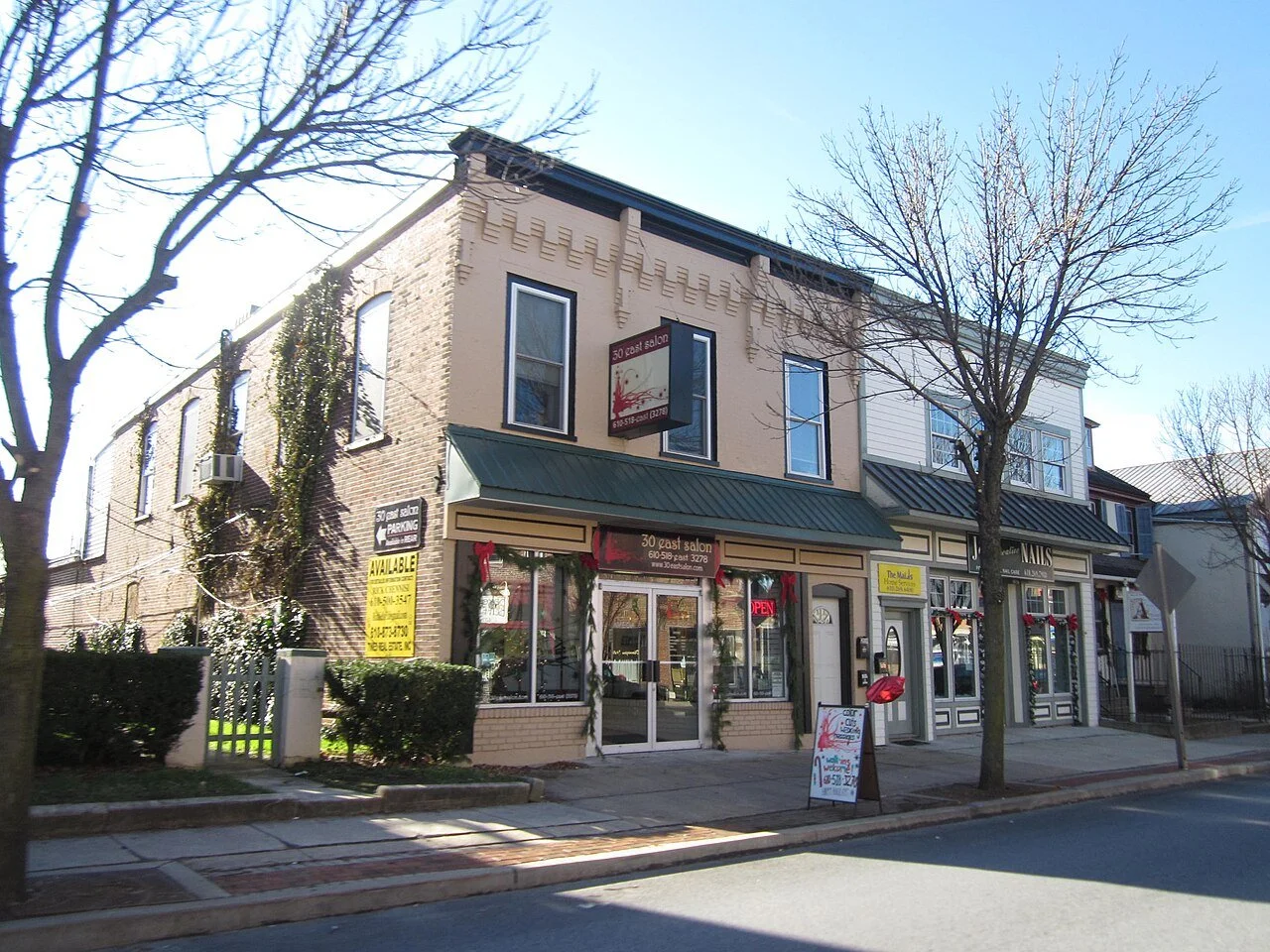
The East Lancaster Avenue Historic District was placed on the National Register of Historic Places in 1979 and contains 20 historic structures. As residents and visitors travel along East Lancaster Avenue, numerous historic buildings line the street, creating a distinctive downtown character. The General Washington Inn, County Bridge No. 124, and other structures preserve architectural heritage and remind visitors of the borough's significance.
In the 1920s, Downingtown undertook major municipal improvements including trash collection initiation, Municipal Building erection, and creation of the Dr. Edward Kerr Memorial Park. A park commission solicited public subscriptions plus annual contributions from the school board and Borough Council to establish and maintain the park.
Brad's Mailboxes understands Downingtown. Our services include:
Expert consultation on styles matching your home's architecture
Professional installation for historic and contemporary properties
Custom mailbox selection from our curated collection
Proper post installation with concrete foundation work meeting USPS standards
Careful attention to positioning and aesthetics
Old mailbox removal and disposal
Service respecting the character of Downingtown properties
Professional Mailbox Installation in Historic Downingtown
Mailbox Installation Near Me in Downingtown
We serve Downingtown and surrounding areas in Chester County:
Downingtown Borough
East Caln Township
East Brandywine Township
East Ward
Lionville
Marsh Creek State Park area
Brandywine River area
East Lancaster Avenue corridor
Lincoln Highway communities
We serve all Downingtown neighborhoods and offer flexible scheduling with same-day or next-day service often available.
Mailbox Replacement in Downingtown, PA
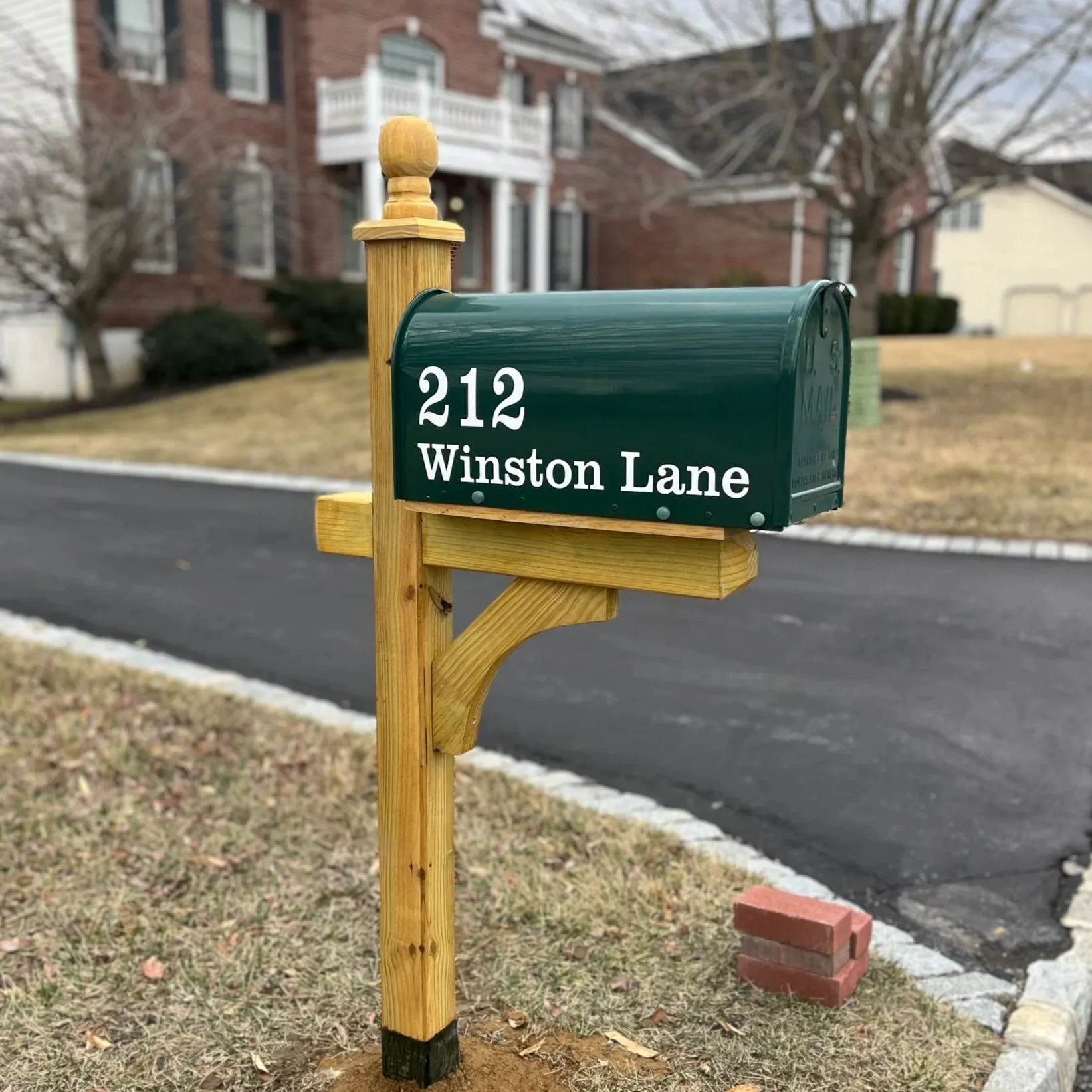
Is your mailbox showing age, damaged from weather, or not matching your well maintained Downingtown home? Mailbox replacement refreshes your property's appearance and is a worthwhile investment. Our process includes:
Professional removal of old mailbox and post
Selection from classic, modern, and budget-friendly designs
Expert installation meeting USPS standards
Custom color and personalization options
Quality concrete work for lasting durability
Professional service respecting Downingtown community standards
Custom Mailbox Options for Downingtown Homes
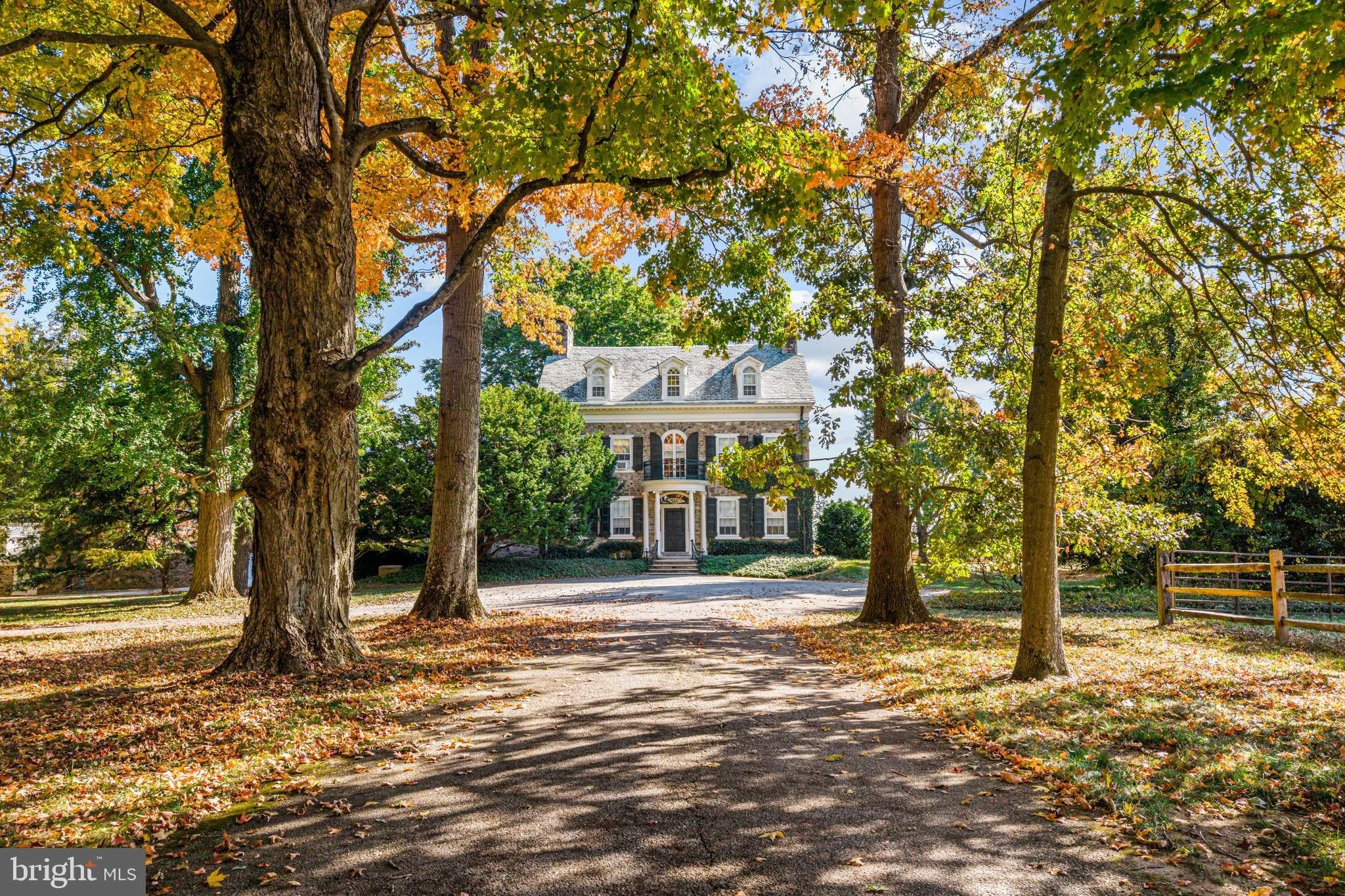
Downingtown features remarkable architectural diversity, from colonial-era structures and historic residences to contemporary homes built throughout the past century. Your mailbox should complement your property's era and character while meeting USPS requirements.
Brad's Mailboxes offers:
Classic Mailboxes Timeless designs for historic properties and homes reflecting Downingtown's colonial and 19th-century heritage.
Modern Mailboxes Contemporary styles for newer homes and properties with modern design preferences.
Budget Mailboxes Quality options at excellent value.
Locking & Security Mailboxes Enhanced security with refined finishes.
Why Professional Installation Matters
Downingtown residents invest in their properties and community heritage. Professional mailbox installation ensures:
USPS compliance and mail delivery efficiency
Proper positioning and accessibility
Quality aesthetics matching your property standards
Secure foundation work for durability
Respect for your property and community character
Expert workmanship that enhances your home
Installation Process
Consultation about your mailbox needs and property style
Selection from our mailbox designs
Scheduling at your convenience
Professional installation with old mailbox removal
Quality assurance inspection
Your complete satisfaction
Downingtown Heritage and Community
Downingtown embodies the transformation of rural colonial settlement into modern vibrant community while preserving historic character. The transition from Milltown to Downingtown honors the family that shaped the borough's identity and economic foundation. This naming transition reflects how individuals and families shaped early American communities through industrial enterprise and civic contributions.
Mill culture established Downingtown's foundation. Water power from the East Branch Brandywine Creek enabled grain processing and paper manufacturing. The mills represented technological application, community infrastructure, and economic opportunity. Roger Hunt Mill's surviving structure and millrace provide physical connection to this industrial heritage.
Colonial architecture connects residents to founding-era construction methods and life. The Downingtown Log House represents early 18th-century building practices and residential design. The restoration effort undertaken from 1988 through 1990 demonstrates community commitment to preserving physical heritage even as modern development threatens historic structures.
Revolutionary War history shaped the borough. The forage magazine constructed to store provisions for Continental Army troops reflects how Downingtown contributed to American independence. The location midway between Philadelphia and Lancaster made the borough strategically important for supply chains supporting the revolution.
The Downingtown Industrial and Agricultural School represents significant educational and civil rights history. Founded in 1904 by African-American leaders Trower and Creditt, the school provided opportunity when educational access remained restricted by race. The school's Tuskegee Institute model demonstrated commitment to vocational and academic preparation for students facing systemic barriers. Delaware County Community College now operates on the former campus, continuing the educational mission.
Historic district preservation honors architectural heritage. The East Lancaster Avenue Historic District with 20 structures maintains visual connection to 19th-century commercial development. Walking along East Lancaster Avenue allows observation of building styles, commercial traditions, and urban design reflecting historical periods.
Lincoln Highway significance marks Downingtown as part of America's transportation history. The original Philadelphia and Lancaster Turnpike connected colonial cities and supported commerce. The Lincoln Highway, as the first coast-to-coast paved road, represented twentieth-century transportation infrastructure and modernization. U.S. Route 30 continues this tradition, though the Pennsylvania Turnpike now handles through-traffic.
Cultural significance extends to national history. President Lincoln's funeral train passing through Downingtown connected the borough to a pivotal moment in American history. Theobald Wolfe Tone's brief residence honors Irish-American connections and revolutionary traditions.
Entertainment heritage marks Downingtown in cinema. "The Blob" filming in 1958 brought Hollywood production to the borough. The diner featured in the movie achieved lasting fame despite ownership changes and relocations. This cinematic connection demonstrates how communities achieve cultural recognition through popular entertainment.
Auntie Anne's founding story exemplifies entrepreneurial opportunity and community support. Beginning in a farmer's market stall, the pretzel business grew into a global enterprise. This success story demonstrates how Downingtown nurtures business innovation and provides opportunity for entrepreneurs.
Contemporary craft beverage industry represents modern economic vitality. Victory Brewing Company's location in a former factory honors the borough's industrial heritage while supporting modern craft production and hospitality. The brewery contributes to Downingtown's reputation as a destination community with quality dining and entertainment.
River Station redevelopment transforms industrial sites into mixed-use community spaces. The former Sonoco Paper Mill site represents how communities honor industrial heritage while embracing contemporary development. Transit-oriented design emphasizing pedestrian access reflects modern urban planning principles focused on walkable, accessible neighborhoods.
Municipal improvements undertaken in the 1920s established foundation for contemporary livability. Trash collection, Municipal Building construction, and park development represented progressive civic commitment. Dr. Edward Kerr Memorial Park provides open space for recreation and community gathering.
Downtown revitalization reflects community commitment to preservation and renewal. Borough leadership supports mixed-use development, pedestrian-friendly design, and preservation of historic structures. This balanced approach honors heritage while supporting contemporary commercial and residential vitality.
Mailbox Installation for All Downingtown Properties
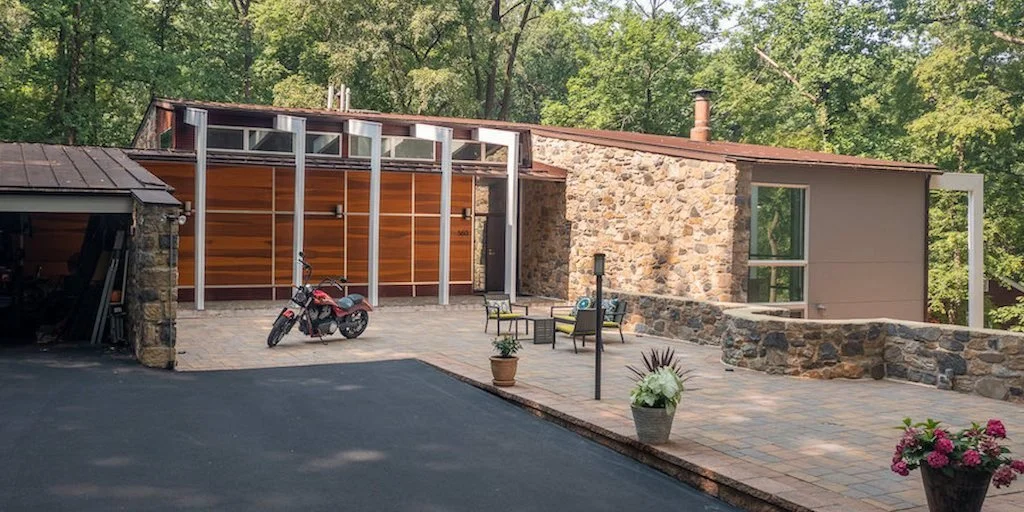
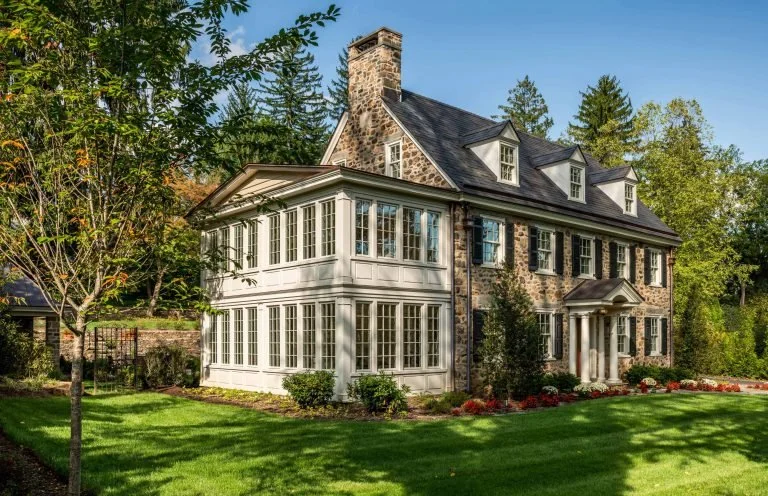
Brad's Mailboxes serves Downingtown property owners:
Historic homes reflecting colonial and 19th-century heritage
East Lancaster Avenue historic district properties
Contemporary residences and newer construction
Townhouses and attached homes
Properties near Brandywine Creek
Marsh Creek area properties
Properties with unique positioning or access needs
East Caln and East Brandywine area homes
Frequently Asked Questions
Q: How long does installation take? A: Most installations complete in 1 to 2 hours depending on post condition and foundation work.
Q: What style suits my Downingtown home? A: We help select designs that complement your property while meeting USPS requirements.
Q: Do you remove old mailboxes? A: Yes, removal and disposal are included.
Q: Are mailboxes USPS approved? A: Yes, all meet USPS standards with proper positioning and compliance.
Q: Can I customize my mailbox? A: Absolutely. We offer colors, materials, finishes, and personalized numbering.
Q: How quickly can you schedule? A: We typically schedule within 1 to 3 business days.
Q: Do you have Downingtown experience? A: Yes, we have installed many mailboxes throughout the borough and surrounding communities.
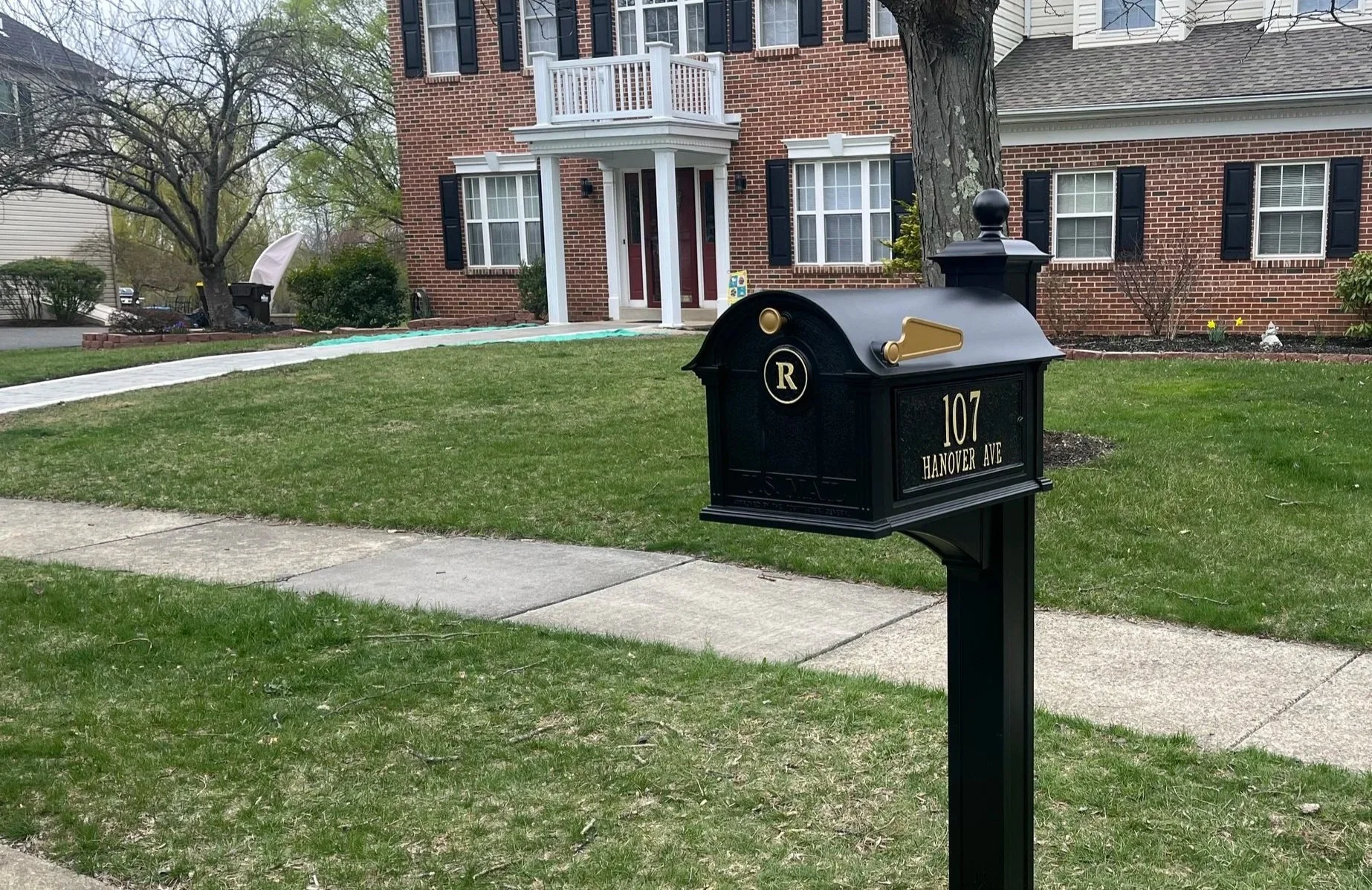
Ready to enhance your Downingtown property?
Contact Brad's Mailboxes today for a consultation and estimate.
Your Downingtown home represents your investment in a historic, vibrant community with deep colonial roots and contemporary vitality. Your mailbox should reflect that same quality and care. Let us help you select and install a mailbox that complements your property and respects the character of this distinctive Chester County borough.
Browse our mailbox collection or schedule your installation now.